Posts

Showing posts with the label dogs

Summer Care Tips for Dogs: Vet Advice
Image
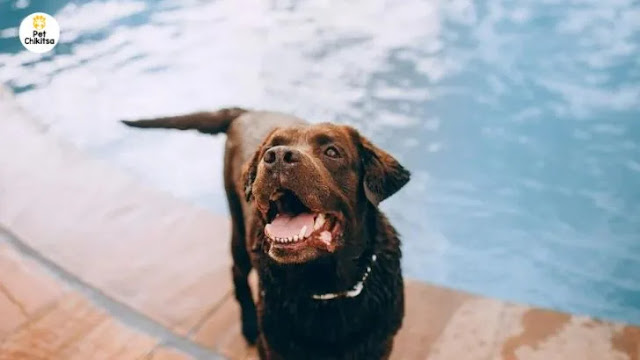
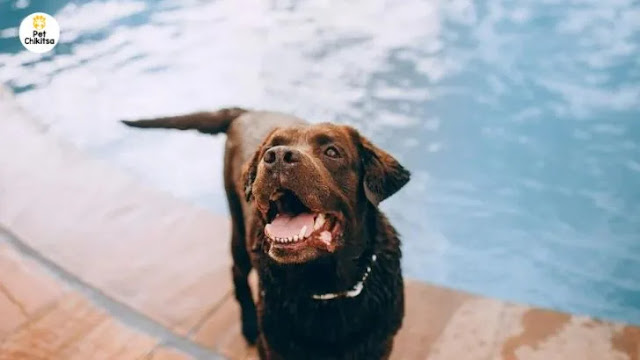
Taking care of your pet during summer is crucial for their health and happiness. Here's some advice from our in-house veterinarian, to keep your furry friend safe and cool: Why Dogs Struggle in Summer:  Dogs can't handle hot weather as well as humans due to factors like breed, origin, and limited ability to regulate body temperature. Signs of Summer Stress:  Watch for signs like seeking cool areas, increased panting, and dehydration. These indicate your dog may be struggling with the heat. Dehydration Warning Signs:  Check for dehydration by performing a skin tenting test and monitoring your dog's body temperature. Dehydration can lead to serious health issues, so it's important to address it promptly. Summer Diet Tips:  Keep your dog hydrated with fresh water and wet food. Avoid increasing meal quantities but spread out feeding times throughout the day. Consider dog-friendly fruits and ice creams for a refreshing treat. Grooming in Summer:  Give your dog cold t...
Summer Diet Tips for Your Furry Friends

Image
Summer's heat calls for refreshing and nutritious foods to keep your canine companion cool and healthy. Here's a list of summer treats that your pooch will love: Watermelon: A hydrating and safe snack packed with potassium and vitamins. Cucumber: Low in sugar and carbs, rich in potassium, and great for weight management. Mangoes: Filled with antioxidants, fiber, and vitamins to boost the immune system. Pumpkin: High in fiber, beta-carotene, and vitamins for digestive health. Oranges: Hydrating and nutritious, but remove seeds and peel before feeding. Green Beans: Crunchy and packed with vitamins, minerals, and fiber. Spinach: Beneficial for bone health and managing gastrointestinal disorders. Remember to remove seeds, peel, and pits before feeding these treats to your furry friend. Enjoy the summer with your pet and keep them healthy and happy! In summer the chances of heat stroke is very common,  please   Contact pet hospital near me   and if you see any signs ...

Poor Nutrition In Dogs

Image
  What is Poor Nutrition? In dogs, poor nutrition can lead to serious issues such as obesity, emaciation, allergies, and more. This can result from insufficient or low-quality food, as well as certain medical conditions or parasite infestations. If your dog shows signs of malnutrition, it's crucial to consult a vet for an evaluation and a tailored treatment plan. Symptoms of Poor Nutrition in Dogs: Bad breath Body odour Dandruff Dull coat Excessive shedding Flatulence Fur loss Inconsistent bowel movements Increased allergies Obesity Skin disorders Weight loss or inability to gain weight Stunted growth Bowed limbs Frequent infections Also Read :  Understanding Diabetes in Dogs: Causes, Symptoms, and Management Causes of Poor Nutrition: Medical disorders Overfeeding Parasites Poor food quality Underfeeding Diagnosis: A vet will conduct a physical examination and various tests to assess your dog's health, rule out underlying issues, and evaluate diet and activity levels. Treatmen...

7 Essential Animal Care Tips for Pet Owners

Image
Are you a proud pet owner or considering bringing one into your life? Whether you're a seasoned caretaker or new to the responsibility, here are crucial animal care guidelines to ensure the well-being of your beloved companion. Prioritise Nutritious Food: Provide your pet with a balanced diet tailored to their specific needs. Dogs and cats, for example, have distinct dietary requirements. Avoid feeding them table scraps, as many human foods can be harmful to pets. Overfeeding can lead to health issues, so monitor portions carefully and consult with a vet if unsure. Ensure Clean Water: Just like humans, pets require access to fresh, clean water at all times. Regularly refill their water bowls to keep them hydrated and healthy. For aquatic pets like fish or turtles, maintain cleanliness in their tanks to prevent health issues. Create a Safe Haven: Offer your pet a secure and comfortable environment to call home. Indoors, cats should be protected from outdoor dangers like cars and pre...

Hot Weather Tips for Pets and Livestock: Do's and Don'ts

Image
I n periods of intense heat, it's crucial to ensure the safety of our furry friends and livestock. Here are some simple guidelines to help them stay cool and protected during heatwaves. DO'S: Provide ample shade to keep them cool. Keep their water sources full and clean. Provide temporary shade or bring them indoors during the hottest part of the day. Ensure proper ventilation and consider installing a summer cooler. Adjust feeding schedules to cooler times of the day. Watch for signs of heat exhaustion and take appropriate action if noticed. DON'TS: Never leave animals in parked cars during hot weather. Avoid over-exercising animals in the heat. Don't leave animals outside without access to shade and water. Avoid walking animals on hot pavement. If you notice signs of heat exhaustion, don't delay seeking help. Avoid feeding foods that can generate more heat in their bodies. By following these simple tips, we can protect our beloved companions from the dangers of ex...

4 Simple Ways to Help Stray Animals Beat the Summer Heat

Image
With the scorching heat of India's summer already upon us, it's easy to imagine the challenges that stray animals face without the comforts we take for granted. But fear not! You can make a difference and ensure their well-being with these easy tips: Keep Water Accessible: Dehydration is a serious risk for animals during summer. Provide water in terracotta or mud bowls, which stay cooler longer. Regularly clean and refill the bowls to prevent contamination. Hang water containers for birds at a height to keep them safe and visible. You can even use water from your garden or cool the pavement for them. Provide Shelter: Don't shoo away strays seeking shade under trees or buildings. Build small shelters with grass mats and breathable materials like cardboard and cloth. Ensure the shelters are spacious and cool. Check under your car before starting it to avoid harming hidden strays Treat Paw Burns: Strays can suffer paw burns from hot pavements. Wash their paws with antibacteria...